 29 June 2026
 Share
Share
1
Creating a relaxing home office can make a significant difference in your productivity and overall well-being. Whether you work remotely full-time or occasionally, designing a comfortable and organized workspace helps reduce stress and improve focus. Here are practical tips to help you create a home office space that balances relaxation and efficiency.
Selecting the ideal spot in your home is the first step. Ideally, find a quiet corner or room with minimal distractions. Natural light is a big plus, as it positively impacts mood and energy levels. Avoid placing your desk in high-traffic areas to minimize interruptions.
If space is limited, try using room dividers or screens to create a defined office zone within a larger room.
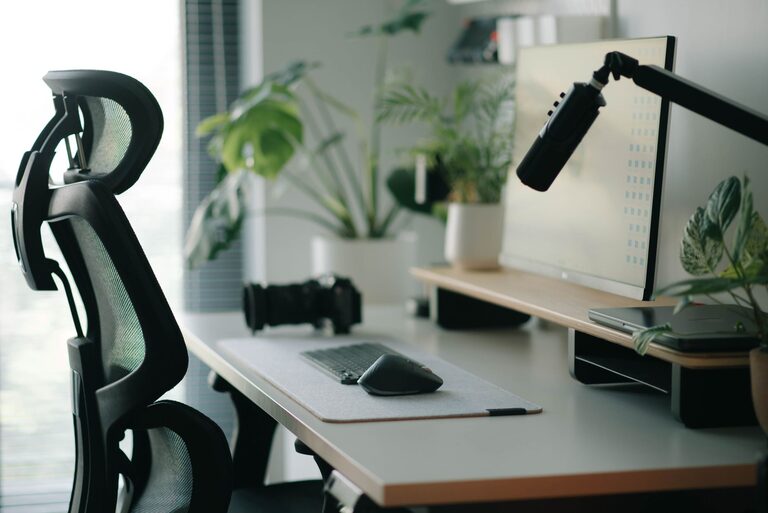
Comfort is key for long work hours. Invest in an ergonomic chair that supports your back and encourages good posture. Adjustable chairs and desks allow you to customize height and positioning, reducing strain on your neck, shoulders, and wrists.
Consider a sit-stand desk to alternate between sitting and standing throughout the day, which can boost circulation and reduce fatigue.
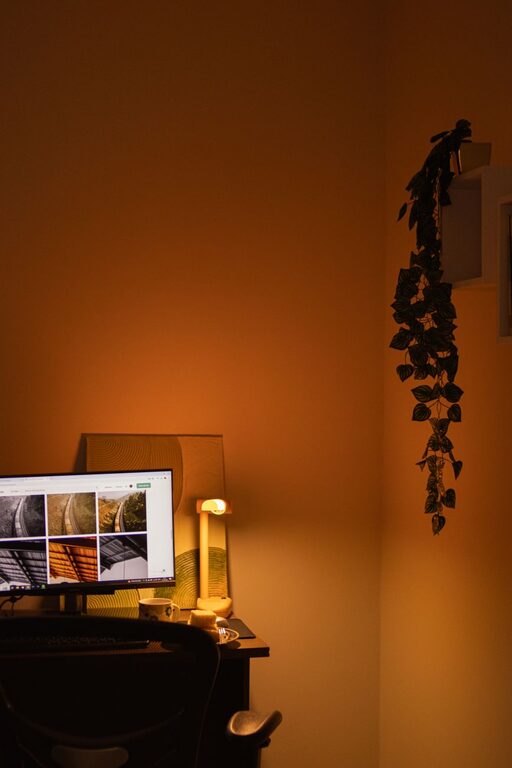
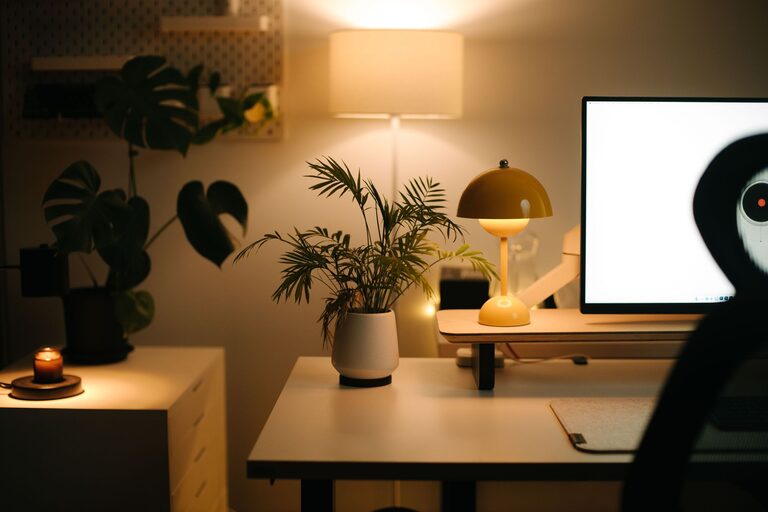
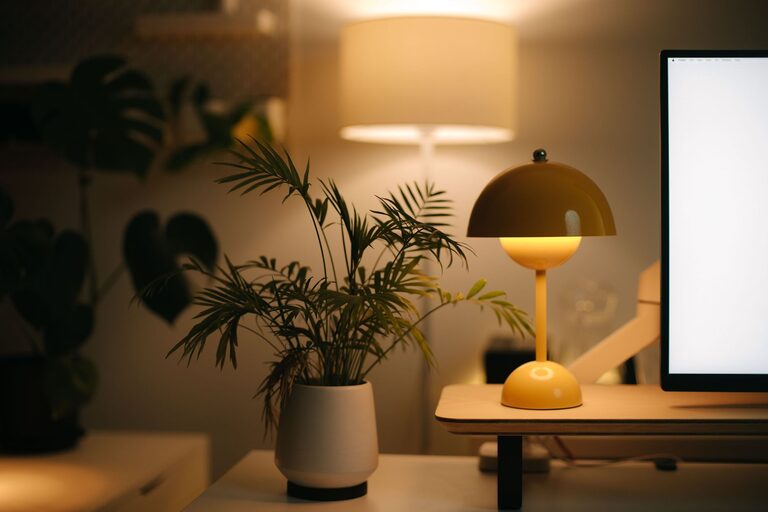
Good lighting helps prevent eye strain and keeps you alert. Use a combination of natural light and task lighting, such as adjustable desk lamps. Soft, warm light is relaxing, while brighter light works well when you need to focus.
Position your desk near a window but avoid glare on your computer screen. Using sheer curtains can diffuse harsh sunlight.
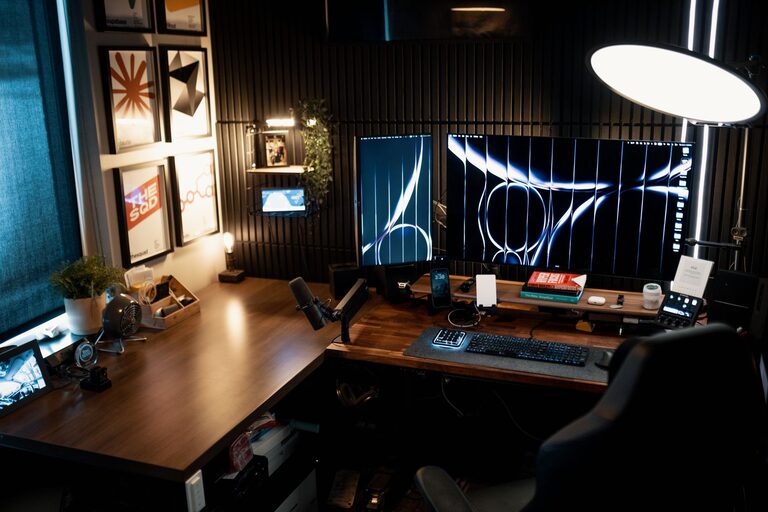
Clutter can distract and stress you. Keep your desk tidy by using organizers, drawers, and shelves to store supplies. Establish a place for everything, from pens to documents.
Regularly declutter your workspace to maintain a calm environment. Digital organization is also important—manage your files and emails to minimize digital chaos.
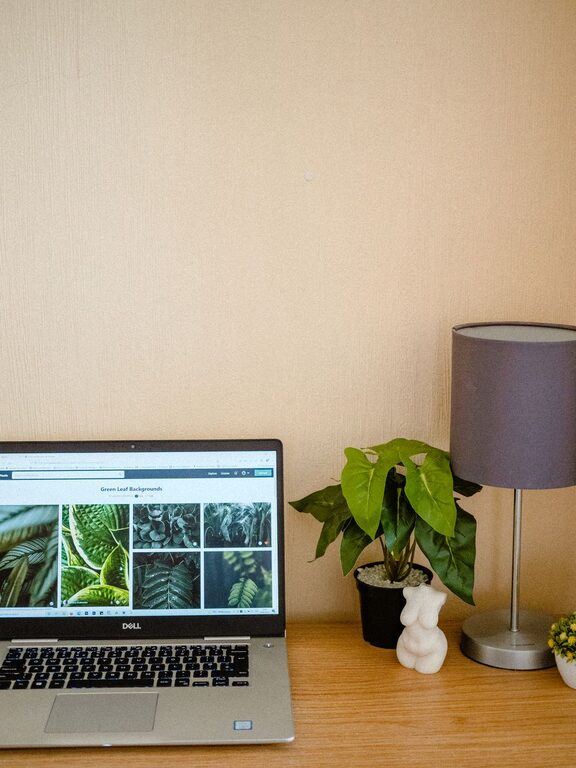
A home office should feel inviting. Add some personal items that make you happy, such as photos, artwork, or plants. Greenery not only beautifies the space but also improves air quality and promotes a sense of calm.
Choose calming colors for your walls and decor, such as soft blues, greens, or neutral shades, to create a soothing atmosphere.
Noise can reduce concentration and increase stress. Use noise-cancelling headphones or play gentle background music if you find it helps you focus.
If outside noise is a problem, consider soundproofing options like thick curtains, rugs, or acoustic panels.
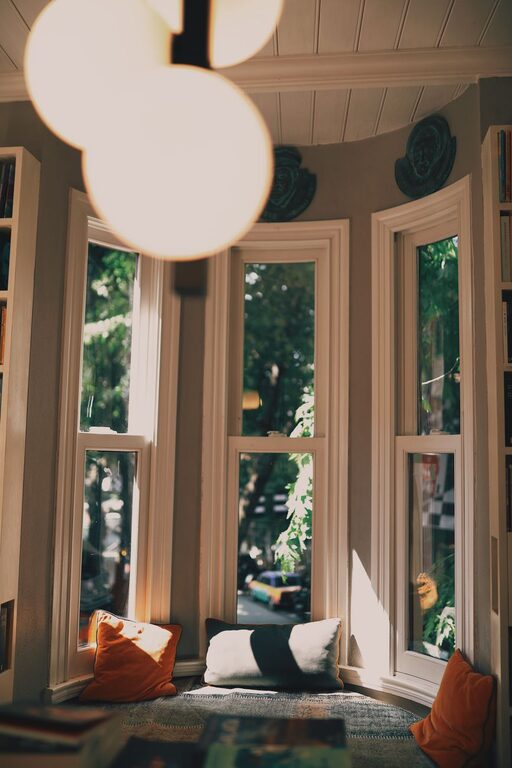
Including an area for short breaks or simple stretches helps refresh your mind. A comfortable chair or a small corner with cushions allows you to step away from your desk without leaving the room.
Try to stand up and move around every hour to stay energized.
Keep cables organized with clips or boxes to avoid a tangled mess. Make sure your computer, printer, and other devices are set up ergonomically and reachable without strain.
Regularly update your software and backup your work to prevent technical issues that can interrupt your flow.
A relaxing office is not just about the physical space but also about how you use it. Create a daily routine to start and finish work, take breaks, and maintain a healthy work-life balance.
Set boundaries with family or housemates to minimize interruptions during work hours.
—
By making these thoughtful adjustments, your home office can become a comfortable, calming space that supports your productivity and well-being. Remember, the perfect setup looks different for everyone, so tailor these tips to fit your unique needs and preferences.